
Props & Pistons 2026: One Morning, By the Numbers
Three hours, 35 dollars a car or plane, and every dollar flies patients to care with Wings of Hope. Here is our short video from Props & Pistons 2026, and why a finished car deserves a finished room.

The best smart home conversations aren't about speakers or apps. They're about how you want your evenings to feel, and technology that quietly supports it.
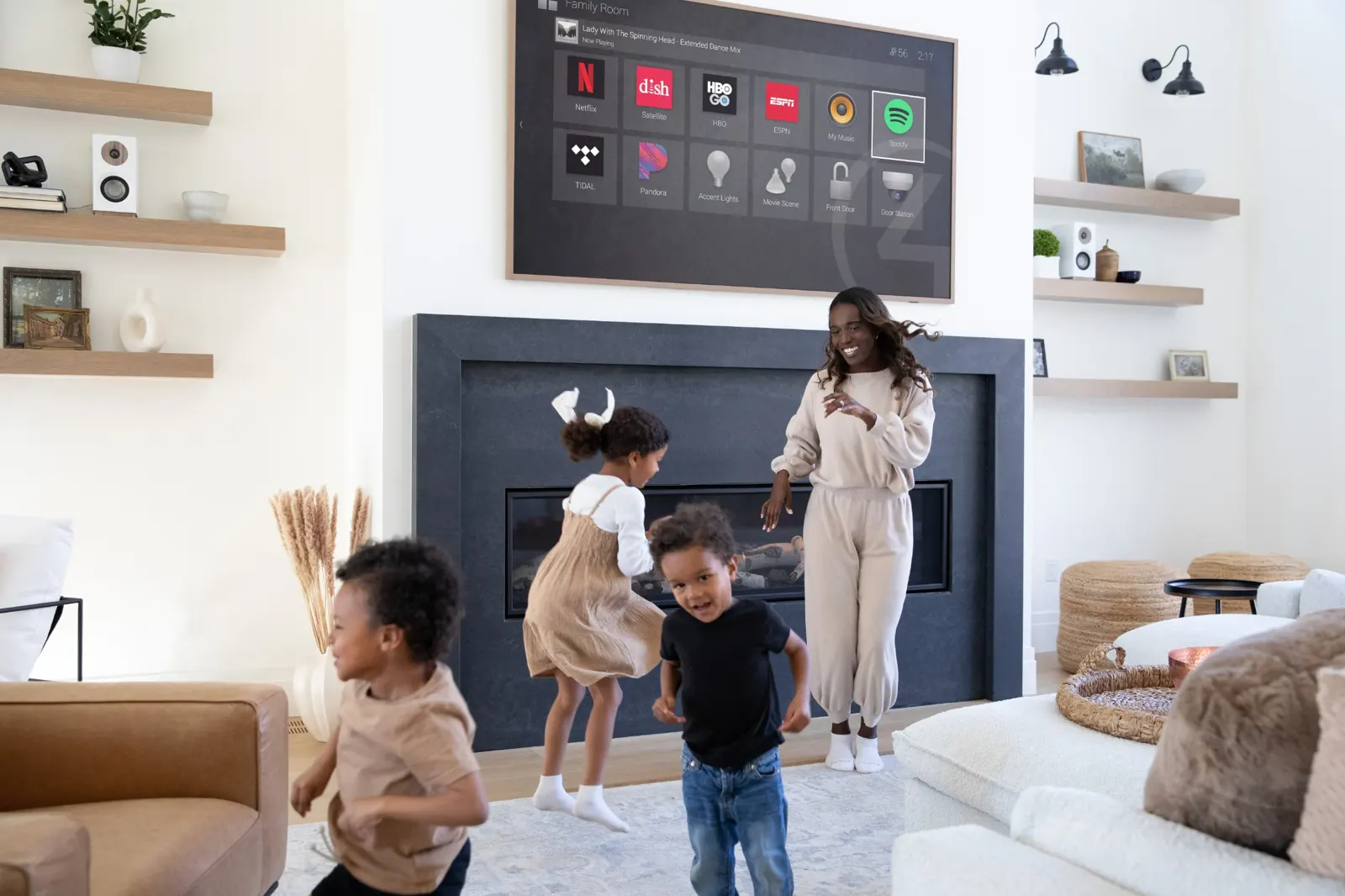
#SmartHome. What if we stopped asking people what technology they want in their homes and started asking them how they want to live?
Most conversations about a smart home start with a list. Someone has seen a video doorbell at a friend's house, or a neighbor raves about their voice-controlled lights, and they want "that." So the meeting becomes a shopping trip. Which speakers, which hub, which app. We think that's backwards. The better first question isn't what technology you want. It's how you want your evenings to feel.
That shift sounds small. In practice it changes almost everything about the result.
There's a familiar pattern in home technology. A house gets loaded with connected devices, each with its own app, each promising convenience. A year later, the homeowner has six apps on their phone, a thermostat nobody understands, and lights that occasionally turn on at 3 a.m. for reasons no one can explain.
The technology works, technically. But the home asks more of the people living in it than it did before. That's the opposite of the point.
Our team puts it simply: technology should never dictate how we live. It should quietly support the moments that matter most. When we understand how people want to live, we can design technology that feels natural and personal. The goal isn't a smarter home. It's a better life.
So is the "smart home" trend worth it? Our honest answer is yes, but only when it starts from your life rather than from a product catalog.
When we sit down with a family planning a build or an upgrade, the questions sound less like a tech survey and more like getting to know someone.
What does a good Tuesday night look like for you? Who usually gets home first, and what do they do when they walk in? Do you host? Big holiday crowds, or a few friends on the patio? Where do the kids end up doing homework? Is there a room in the house you love but never use? What bugs you about your current home?
The answers tell us far more than "I want Wi-Fi in the backyard." They tell us why.
Say you tell us your favorite part of the day is after the kids are in bed, when the house finally goes quiet. You want that moment to feel like a deep breath.
A technology-first approach might hand you a lighting app with forty scenes. A life-first approach gives you one button by the stairs. Press it, and the downstairs lights dim to a warm, low glow, the motorized shades close, the music you like drifts in at a volume that doesn't fight conversation, and the doors lock. You never think about the system. You just notice that the house feels calmer.
Maybe you love hosting but hate the scramble before guests arrive. Fiddling with dimmers, hunting for the remote, trying to get the playlist going in the kitchen without it blaring in the living room.
Here the design is about ease. Good lighting control that sets the room with one touch. Music that follows the party from the kitchen to the deck without anyone touching a phone. Wi-Fi that just works when your brother-in-law asks for the password. Your guests won't see any of it. They'll just remember that your house felt welcoming and easy to be in.
A lot of families tell us they bought a big TV and a soundbar and still end up watching on laptops in separate rooms. Usually the problem isn't the screen. It's that the space doesn't invite anyone in. Too bright, uncomfortable, too many remotes, too much setup.
When we design a media room, we start with who's watching and how. Kids sprawled on the floor? Adults who want the dialogue clear without cranking the volume? A Friday tradition worth protecting? The answers shape the seating, the light, the sound and the control. Done right, movie night becomes something people look forward to rather than something you have to wrangle.
None of this means the technology doesn't matter. It matters a lot. It just shouldn't be the conversation you have to have.
Under the surface, a home like this usually needs a few dependable things: a strong network so everything stays connected, a control system that ties lighting, shades, audio, climate and security together, and interfaces simple enough that a visiting grandparent can use them. Often that's a keypad on the wall with clearly labeled buttons, not just an app.
We handle the wiring, the programming, and the details that make it reliable. You get to talk about dinner parties and Saturday mornings. If you're curious what's possible, our home automation page covers how it all fits together.
Here's our take on when a life-first smart home is worth the investment, and when it isn't.
It's worth it when there's a real daily friction you want gone, or a moment you want to protect. If you're building or renovating, it's especially worth it, because planning the wiring and network now costs far less than retrofitting later.
It's probably not worth it if you're mainly drawn to a gadget. A single device bought on impulse rarely changes how a home feels. And if a system would add steps to your day instead of removing them, skip it. We'd rather tell you that than install something you'll resent.
One more honest note: a good system should get quieter over time, not louder. If you find yourself thinking about your technology every day, something wasn't designed around you.
We believe people should feel the result, not read about specs. The best compliment we hear isn't "what system is that?" It's a homeowner telling us, months later, that they finally use the back patio, or that the house feels peaceful at night, or that their kids actually want to watch movies together again.
That's what a smart home should be. Not a collection of devices, but a home that understands how you live and gets out of the way.
If you're planning a new home or thinking about what your current one could feel like, we'd love to hear about it. Not the gear list, just your days, your evenings and the people you share them with. You can start with our two-minute project questionnaire, and we'll take it from there over a real conversation.
Three hours, 35 dollars a car or plane, and every dollar flies patients to care with Wings of Hope. Here is our short video from Props & Pistons 2026, and why a finished car deserves a finished room.
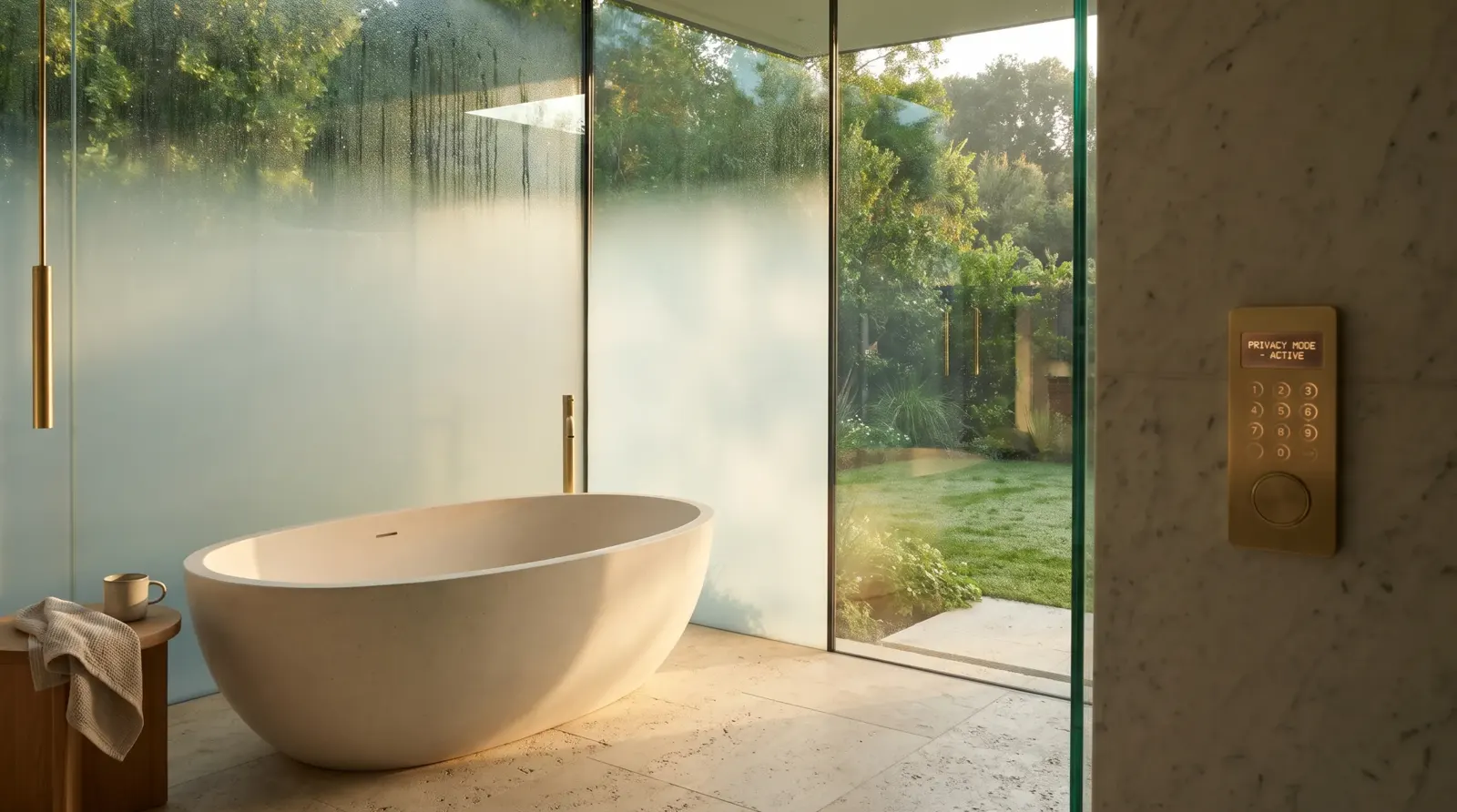
Glass that turns private the moment you need it. Here is how smart window film works, which rooms it suits best, and why it pairs well with motorized shades.
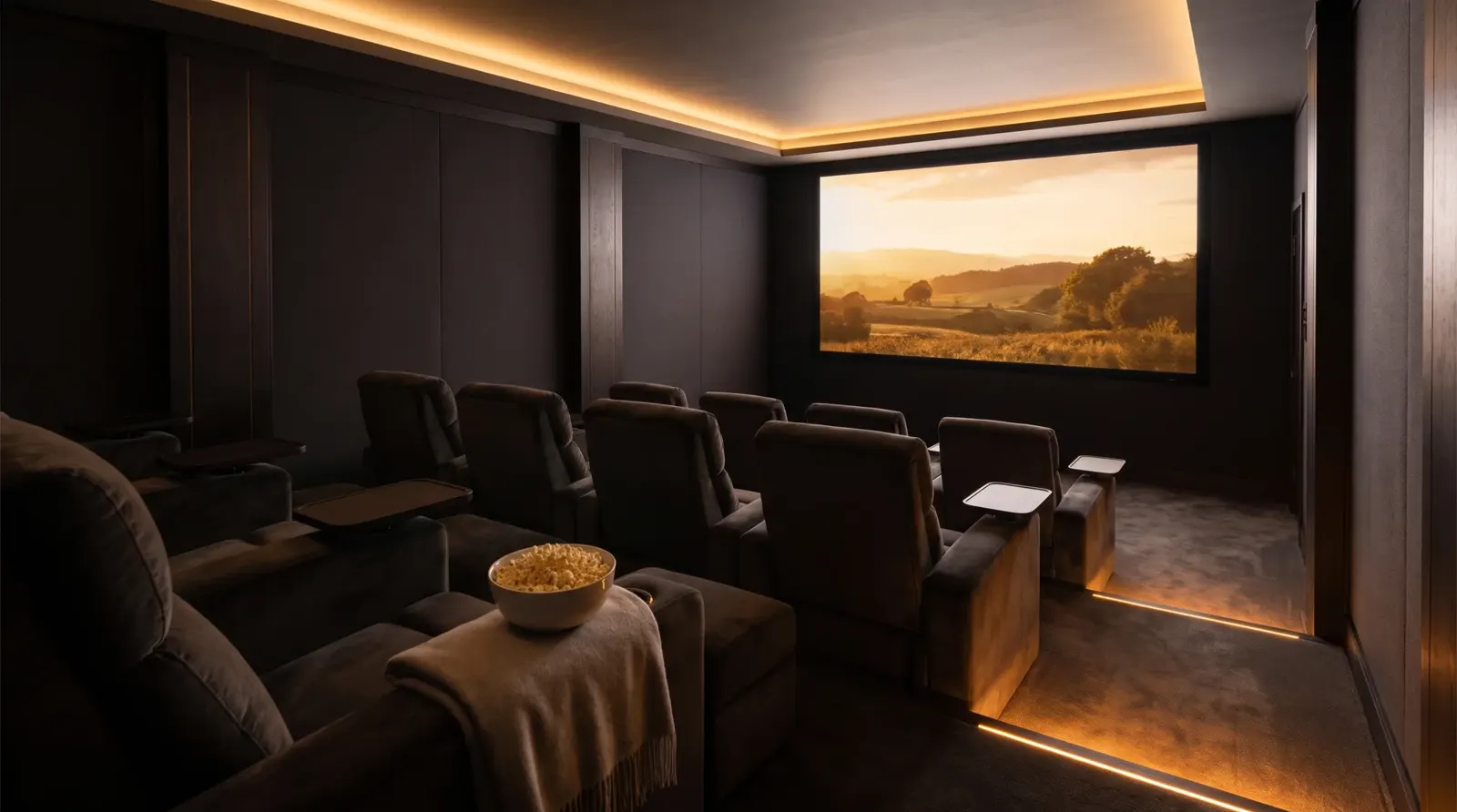
Most home cinemas start with a picture in your head, not a speaker count. Here are honest answers to the questions St. Louis homeowners ask before they build.