Most people who call us about a home cinema don't open with screen sizes or speaker counts. They open with a picture in their head. A Friday night with the kids piled on the couch. A quiet Sunday afternoon watching an old film alone. A playoff game with the neighbors over, everyone yelling at the same moment.
That picture is the right place to start. So here are the questions we hear most often, answered the way we'd answer them if you were sitting across from us at a coffee shop on Main Street.
What does a real home cinema actually feel like?
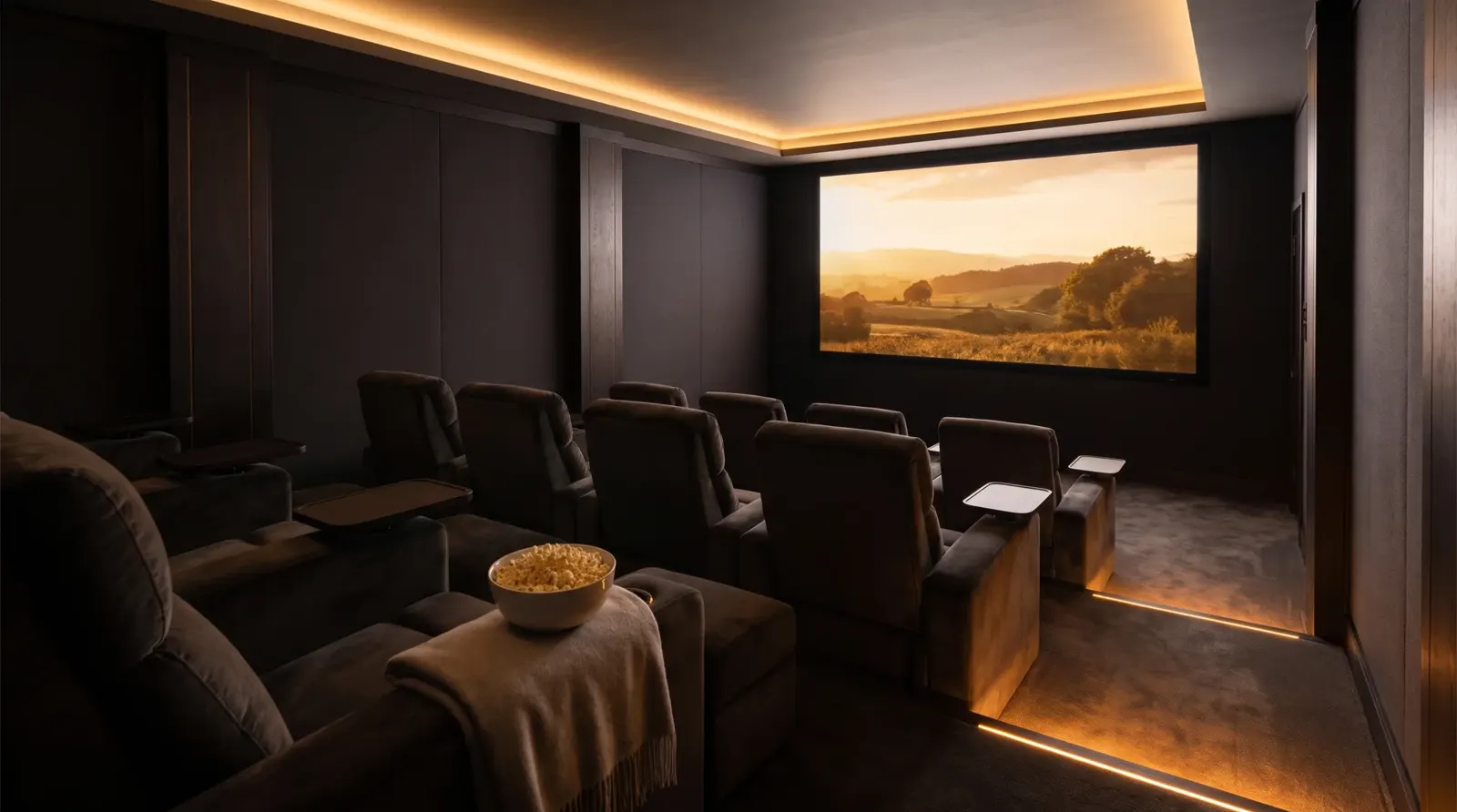
It feels like the house goes away. The lights fade, the room goes dark in a way a living room never does, and the sound comes from everywhere at once without ever feeling loud. Dialogue is clear at a normal volume. You stop reaching for the remote to turn it up during whispers and down during explosions.
The bigger change is what happens to your evenings. Families tell us they watch fewer things but enjoy them more. Movie night becomes a plan instead of background noise. Guests linger. And when the house is busy, the cinema often becomes the calmest room in it, a place where nobody's phone is the main event.
Should I build a dedicated cinema or a media room?
This is the first real decision, and it shapes everything after it.
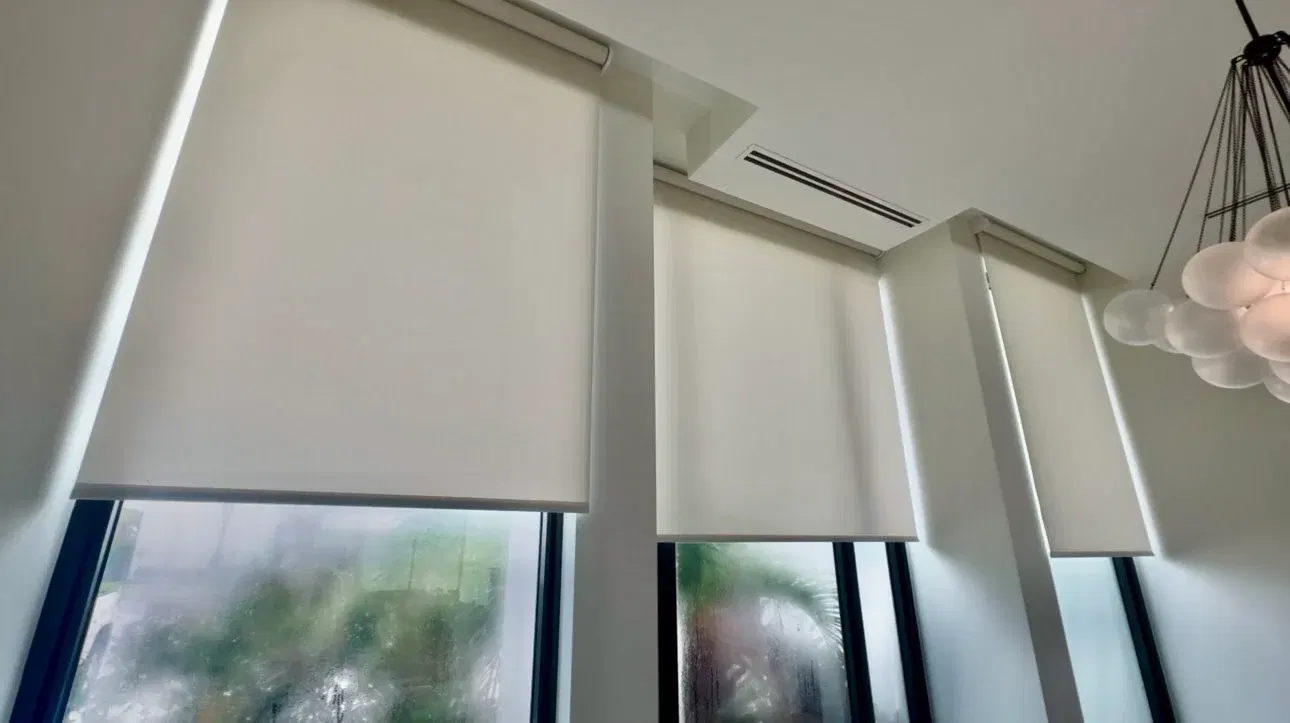
A dedicated cinema is a room built for one thing. No windows (or windows fully covered), dark surfaces, seating arranged for the screen, and acoustics designed from the walls in. It's the closest you'll get to a commercial theater, and better in many ways because every seat is the good seat.
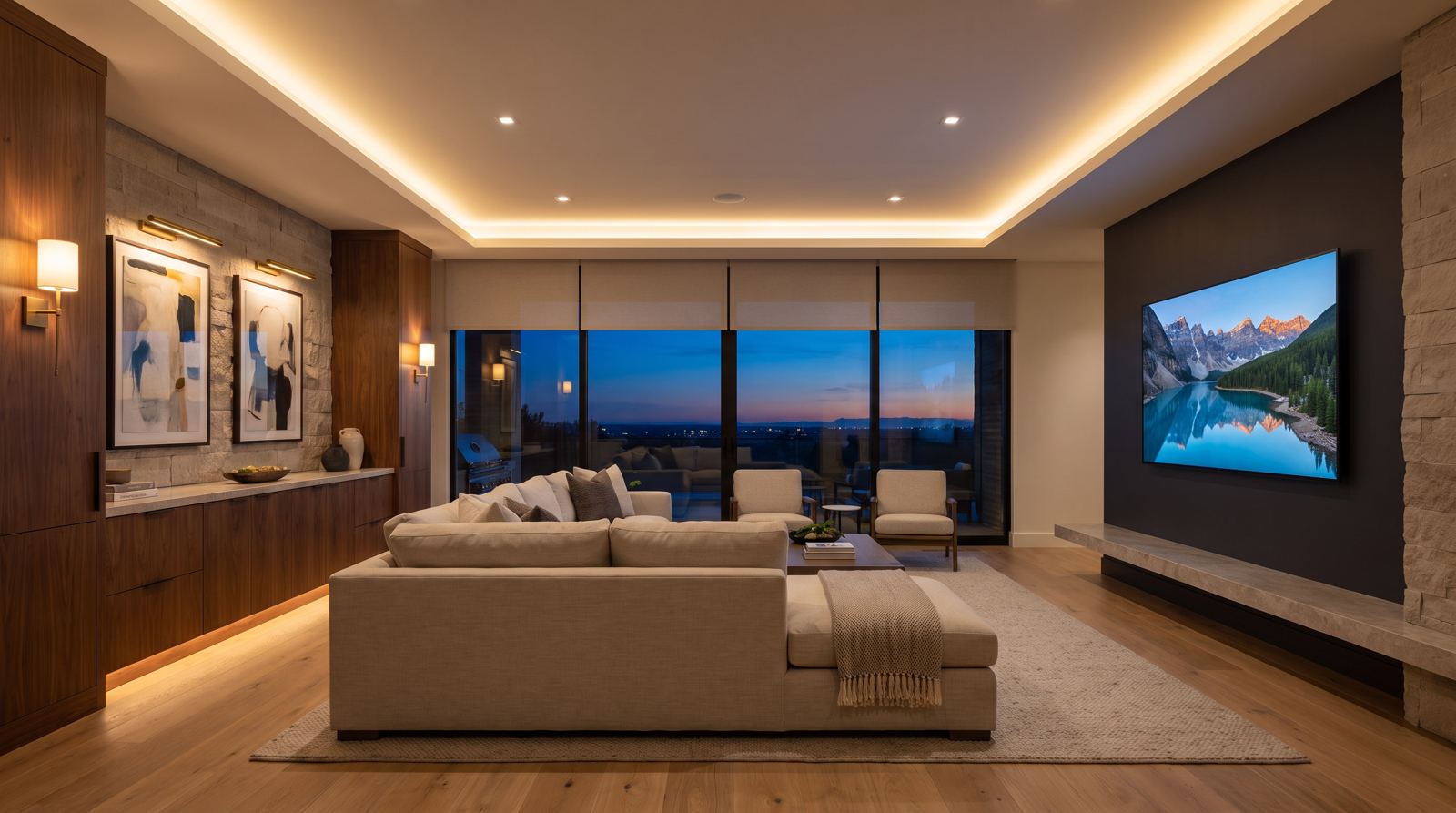
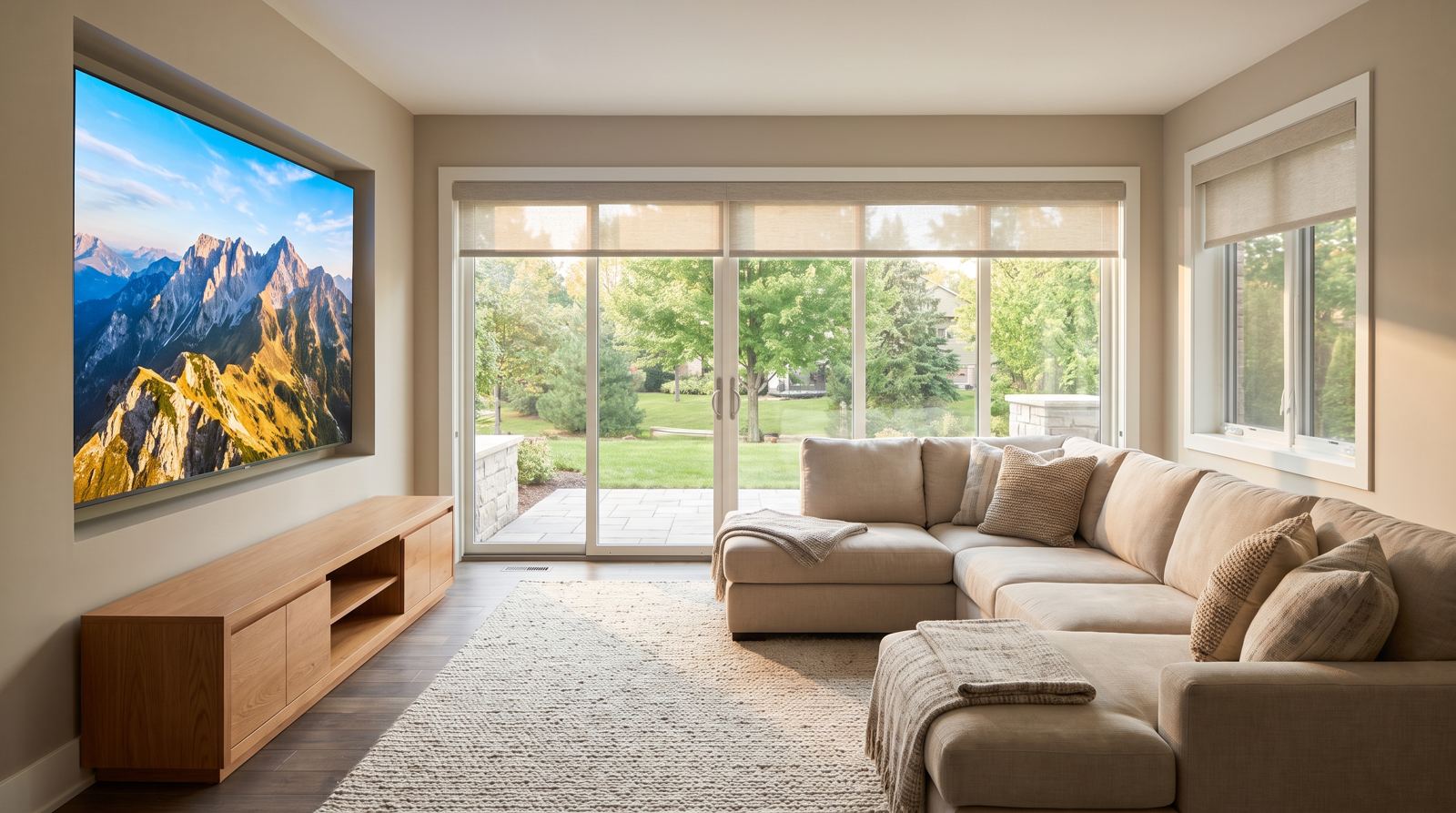
A media room is a room that does many things well. It's where you watch the game, play video games, read, and have people over. It usually has more light, more comfortable mixed seating, and a design that looks like the rest of the house when the screen is off.
Neither is better. It depends on how you live. If you dream about watching films the way the director intended, a dedicated room is worth it. If your family room is the heart of the house, a well-designed media room may serve you better. We'll often ask which room you picture yourself in on a random Tuesday. That answer usually settles it.
Is the basement the right spot?
In a lot of St. Louis area homes, yes. Basements here are common, they're naturally dark, and concrete and earth help keep sound in. Whether you're in an older brick house in Webster Groves or a new build out in Wentzville, the basement is often the easiest place to make a room that feels sealed off from the world.
Two local things to plan for. First, humidity. Our summers are muggy, and basements hold moisture, so good dehumidification and air movement matter for both comfort and equipment. Second, ceiling height and ductwork. Low ceilings and beams running through the middle can affect screen size and seating, so we look at those early.
Projector or LED video wall?
Both can be wonderful. They just suit different rooms.
Projection is the traditional cinema approach. A projector throws an image onto a large screen, and in a truly dark room it looks beautiful and feels very much like a theater. It's a great fit for dedicated cinemas.
LED video walls are built from panels that produce their own light. They're very bright, hold up well when some light is in the room, and can go very large without the image washing out. They tend to make sense in media rooms with windows, in rooms that double as gathering spaces, or for clients who want the brightest image possible. They also usually involve a higher investment.
Our honest advice: decide how dark the room will be first, then pick the screen. The room should lead.
How much does the sound really matter?
More than most people expect. A beautiful picture with average sound feels like television. Great sound with a good picture feels like a movie.
Immersive surround sound means speakers placed around you and above you, so a helicopter actually passes overhead and rain actually falls. But the speakers are only half of it. The room itself shapes what you hear. Hard walls bounce sound around and make dialogue muddy. Good acoustic design, using treated wall panels, the right seating position and careful speaker placement, makes everything clearer at lower volumes.
This is also where architecture comes in. In a well-designed room, the acoustic treatment is the design. Fabric walls, lighting details and the shape of the room all do two jobs: they look right and they make it sound right.
What determines the investment?
We won't throw out a number without knowing your room, because the range is genuinely wide. The main things that move it:
- Dedicated cinema or multipurpose room
- Projector or LED video wall
- How many speakers and how much acoustic treatment
- Whether it's new construction or a renovation of finished space
- Seating, lighting, finishes and custom woodwork
- How much the room connects with the rest of the home
A good first conversation is less about budget and more about priorities. Once we know what matters most to you, we can show you where money makes the biggest difference and where it doesn't.
How long does it take?
It depends mostly on construction. A media room upgrade in an existing space can move fairly quickly. A fully dedicated cinema in a new home follows the building schedule, so the earlier we're involved, the smoother it goes. Bringing us in while walls are still open saves real headaches later, since wiring, speaker locations and acoustic framing are far easier before drywall.
What does working with SnapPro look like?
It starts with listening. We want to know how you'll use the room, who'll be in it and what you want it to feel like. From there we design the system and the room together, coordinate with your builder or contractor, install everything, and then tune it to your space so it sounds and looks the way it should. Before we leave, we walk you through it until it feels obvious.
Why not just buy the gear and hook it up?
Because the hardest part of a cinema isn't any one piece. It's making everything work together so it's simple to use. The best rooms we build have one button or one tap on a phone: lights dim, screen comes on, sound is ready. Nobody in the family needs a manual, and grandparents can start a movie without calling anyone. That simplicity comes from careful system integration, and it's what keeps you using the room for years instead of avoiding it.
You can see more about how we approach private home cinemas on our site.
Let's talk about your room
If you've got a picture in your head of what movie night could feel like, we'd love to hear it. No pressure and no sales pitch, just a conversation about your space and how you want to use it. The easiest way to start is our two-minute project questionnaire, and we'll take it from there.