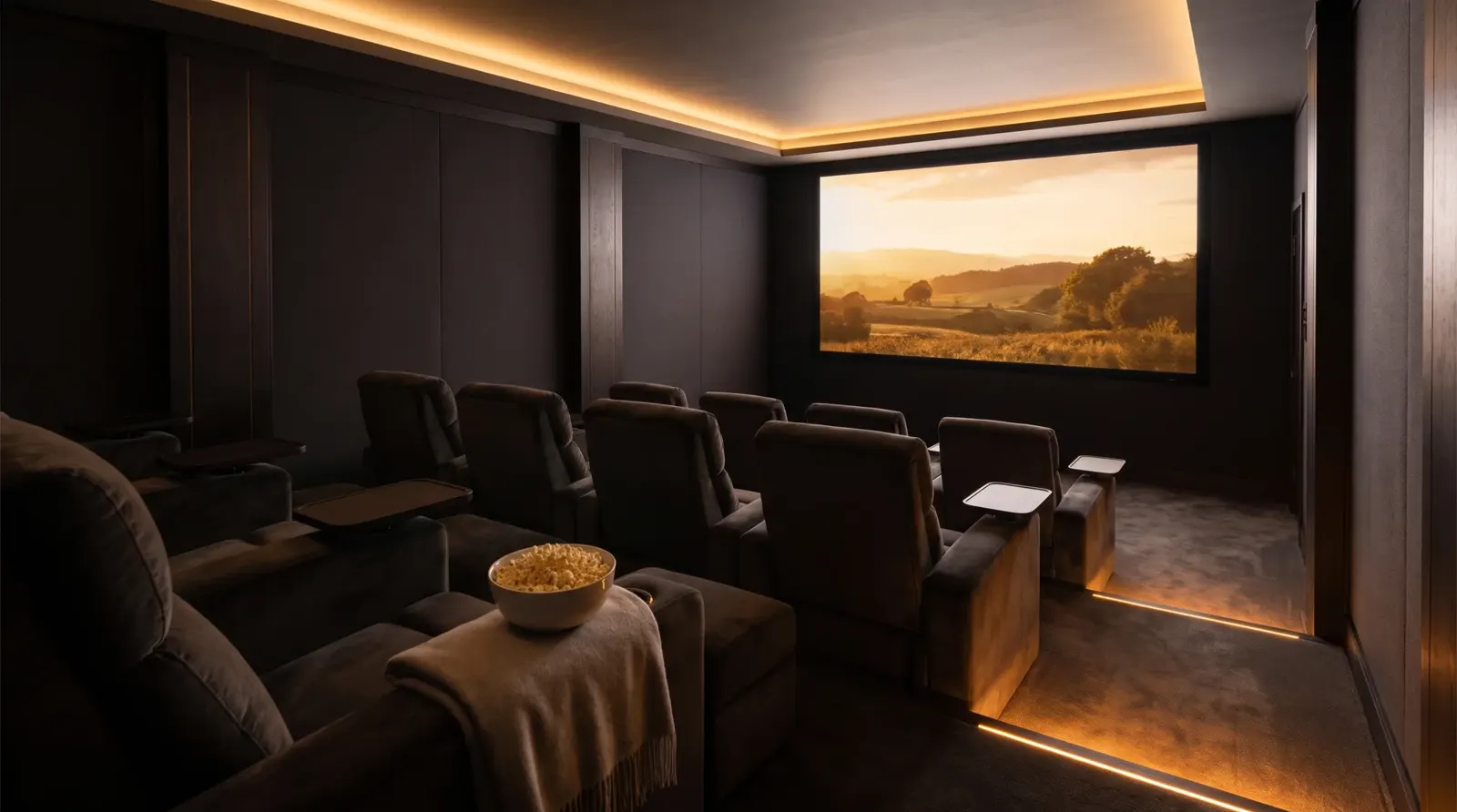
Building a Private Home Cinema in St. Louis? Here's What to Know Before You Start
Most home cinemas start with a picture in your head, not a speaker count. Here are honest answers to the questions St. Louis homeowners ask before they build.

Glass that turns private the moment you need it. Here is how smart window film works, which rooms it suits best, and why it pairs well with motorized shades.
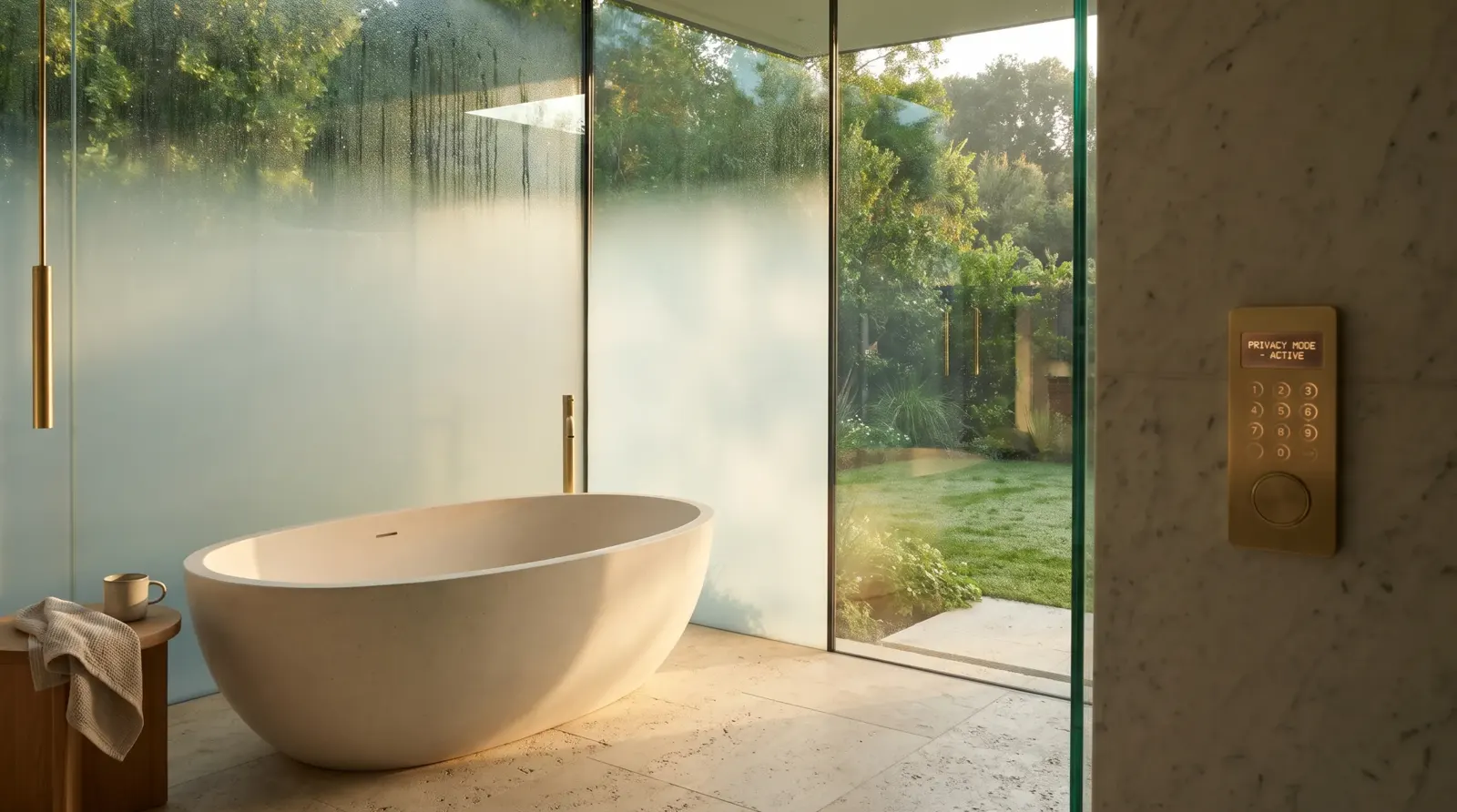
Picture a primary bath with a wall of glass facing the garden. Morning light pours in. You step toward the shower, and the glass turns a soft, milky white. Nobody pulls a cord. Nothing drops from a pocket in the ceiling. The view is simply gone, and so is the feeling of being watched. That is the promise of smart window film: the future of home privacy without blinds. Our position is simple. For certain rooms in certain homes, it is the better answer, and designers should be planning for it now.
Below are the questions clients actually ask us, and the answers we give them.
It feels quieter. A room without stacked fabric or a valance has cleaner lines, and the glass becomes architecture instead of something you apologize for after dark.
The difference shows up most in the evenings. With shades, you close up the house at night like a store at closing time. With smart film, the windows stay part of the room. You choose clear or frosted, and the room keeps its shape either way.
Guests notice it, but not as a gadget. They notice that a glass-walled powder room feels private without feeling closed in.
As our founder, Jordan Stipes, puts it: "The future of smart homes isn't about adding more technology. It's about making technology disappear into the design of the home."
In plain terms, the film is a thin layer applied to glass or laminated inside it. Run a small electrical current through it and it goes clear. Cut the current and it goes frosted. A wall switch, a keypad, a scene in the home's control system or a motion trigger can make the change.
That last part matters. Walk into the bath, the glass goes private. Leave, and it can clear again. You don't think about it. That is what good automation should be.
The strongest cases we see:
If a window is beautiful and the only reason to cover it is privacy, film deserves a look.
No, and anyone who tells you otherwise is overselling it. Frosted film gives privacy, not darkness. Light still passes through as a soft glow. It won't black out a bedroom or a home theater, and it is not a substitute for real solar and heat control on a hot west wall.
So the honest design often uses both. Film where privacy is the job. Motorized shades where light, glare, heat and darkness are the job. Tie them together through home automation so one "goodnight" scene handles everything.
This is where projects succeed or struggle. Smart film needs low-voltage power at the edge of the glass, which means wiring decisions during framing, not after drywall. Laminated smart glass needs to be ordered with the glazing package, often with long lead times. Retrofit film can go onto existing glass, but the power still has to get there cleanly, without visible wires running across the frame.
Bring your AV partner in before the window schedule is final. A few early conversations about glass sizes, power locations and control can save a lot of rework later.
For the right room, yes. Cost varies widely with glass size, product type and whether it's new construction or retrofit, so we price it project by project rather than quoting a number that wouldn't hold up. The real value is that the glass does the work you used to need fabric for.
We think the most exciting part of the smart home right now is that the materials themselves are joining the system. Glass that knows when to be private is just the start.
If you have a project with glass that deserves better than blinds, we'd be glad to talk it through. Our two-minute project questionnaire is the easiest way to start that conversation.
Most home cinemas start with a picture in your head, not a speaker count. Here are honest answers to the questions St. Louis homeowners ask before they build.
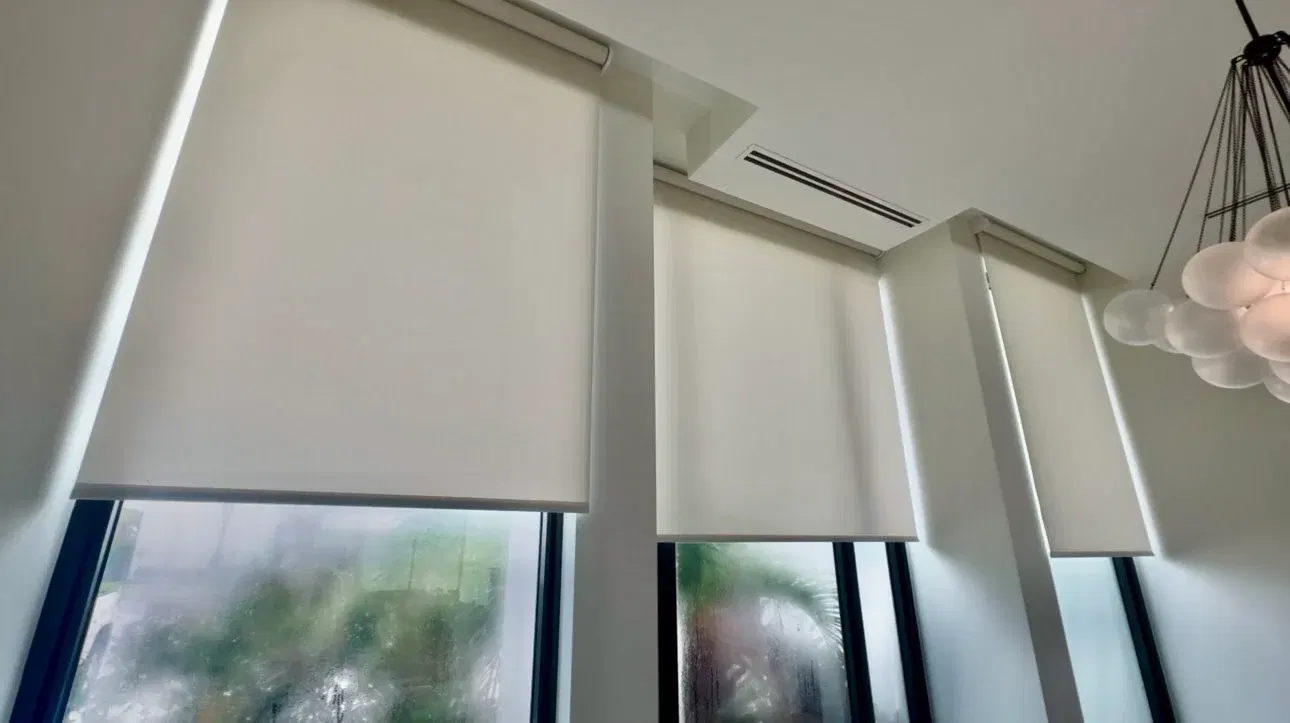
Automated shades and drapes look built in when they are planned like lighting or HVAC. Here is the pre-drywall checklist we wish every St. Louis project team ran before framing inspection.
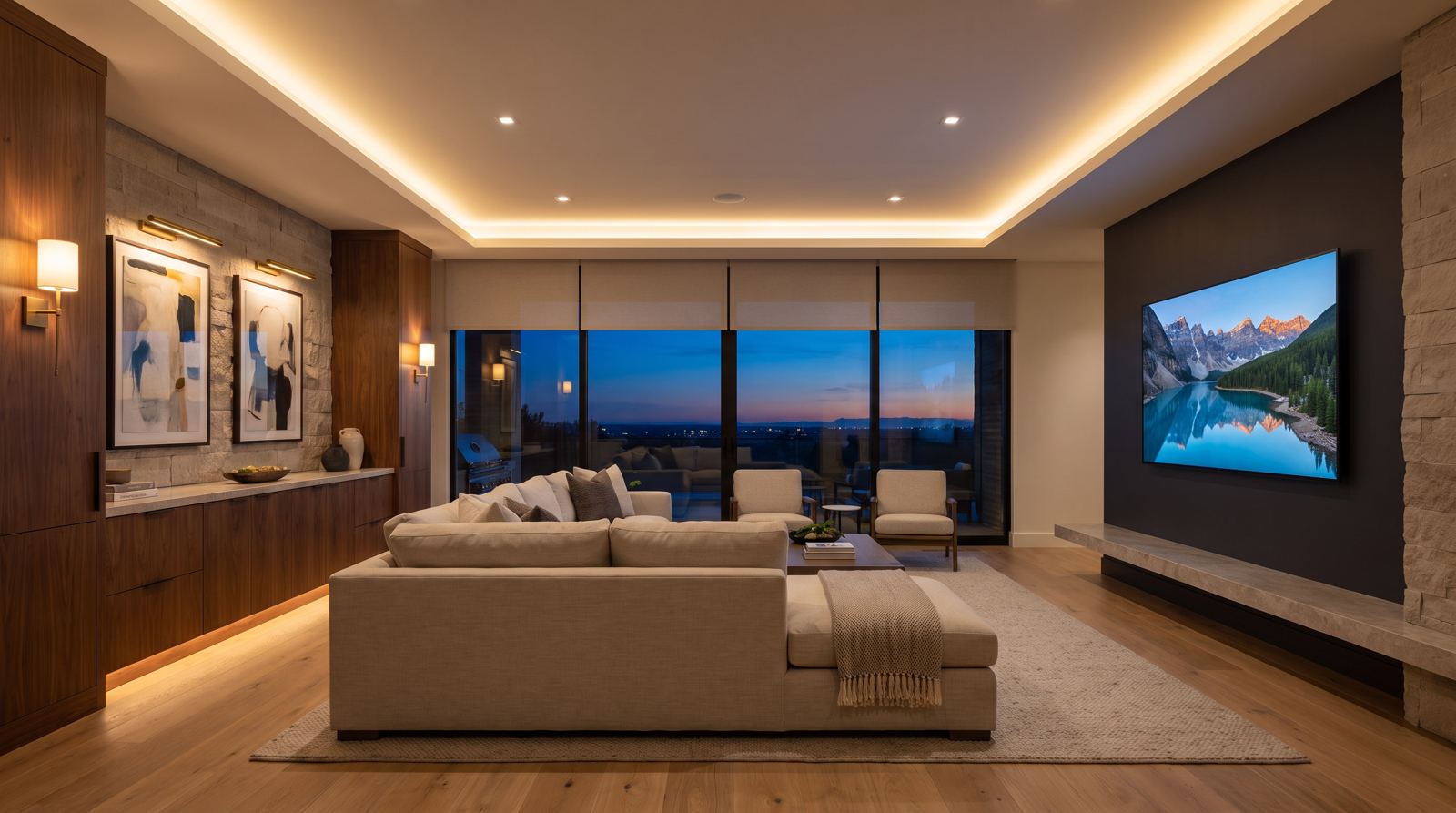
Most lighting problems are decided months before move-in, on a sheet labeled electrical. Here are five myths trade partners still build around, and what actually holds up.